
Concrete Costs
How Much Does a Concrete Driveway Cost in Vancouver? (2026)
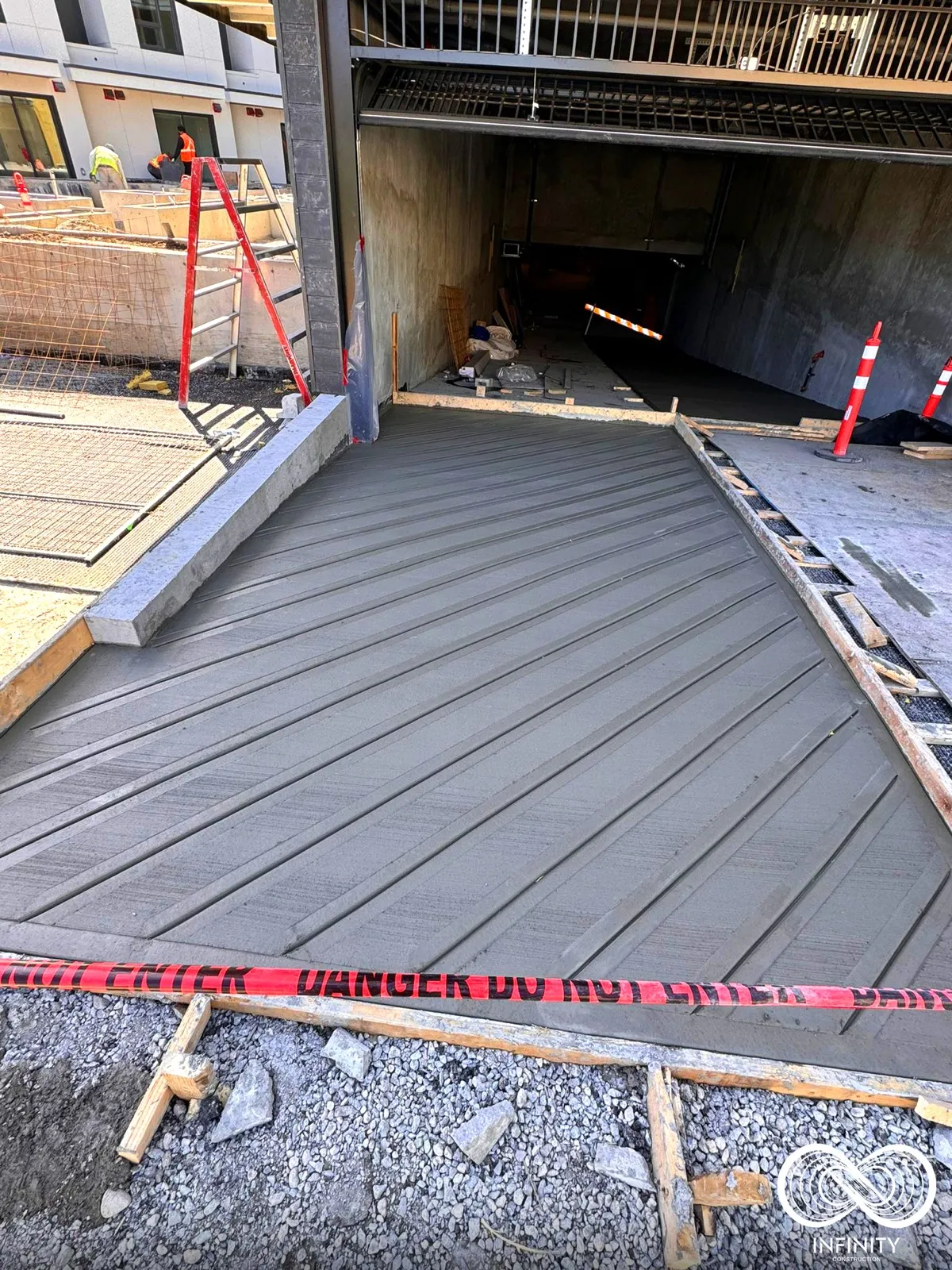
A new concrete driveway in Vancouver is priced by the job, not by a flat rate. Two driveways of the same size can cost very different amounts once the finish, the site, and the ground underneath are factored in. Here is what actually drives the price in the Vancouver market, so you can read a quote, spot where a low bid cut a corner, and know you are comparing like for like.
What sets the price of a concrete driveway
- Size and shape. Square footage is the starting point. Curves, tight corners, and thickened edges add forming and labour, and a sloped or uneven lot adds grading and excavation on top of that.
- Finish. A broom finish is the baseline. Stamped, exposed aggregate, and coloured finishes cost more because they take more material, skill, and time. The crew also places control joints so the surface cracks along planned lines rather than across the finish.
- Removal of the old driveway. Breaking out and hauling away old concrete or asphalt is its own line item.
- Base and drainage. A driveway is only as good as the base under it. Grading, gravel, compaction, and drainage are where a durable driveway is won or lost, and where a cheap quote usually cuts corners you cannot see until the slab cracks. Correcting drainage so water runs away from the slab is what protects it through our wet winters.
- Site access. A tight lot, a steep grade, or a long pour distance means more labour, and sometimes a concrete pump or extra crew to place the pour cleanly.
- Reinforcement and thickness. Rebar or wire mesh and slab thickness are set by the loads the driveway will carry.
- Permits. Most driveway replacements on your own property do not need one, but work that touches the city sidewalk or curb, or converting a grassed area into a new concrete surface, can require a permit and inspection. We confirm what applies during the site visit.
Finish choice changes the number
Most of the price swing homeowners see comes from the finish. In the Lower Mainland, a standard broom-finish driveway typically runs about $12 to $18 per square foot, with removal and base prep included. Stamped and decorative concrete sits higher, about $16 to $25 per square foot, because of the stamps, release agents, and sealing. Exposed aggregate lands in between. The right finish depends on the look you want and how the surface will be used.
To put those numbers in context, picture a standard double driveway of about 600 square feet. At a broom finish, that lands roughly between $9,000 and $13,000 once the old surface is removed and the base is prepared. Add a stamped or exposed aggregate finish and the same driveway moves toward the $13,000 to $18,000 range. A larger or longer driveway, a steep approach, or tight access pushes it higher. These are planning figures, not a quote, and the only way to know your number is a site visit. If you are working to a budget, the finish is the easiest lever: a broom finish keeps costs down, while decorative finishes are where the price climbs. Keeping the driveway a simple rectangle rather than adding curves and borders also trims the forming and labour.
Why the lowest bid can cost more later
A low quote often means a thin slab, a skipped step in the base, or no reinforcement. Those savings show up as cracks and settling within a few winters. Concrete is a long-term surface, built to hold up through freeze-thaw and heavy rain, so the base prep and thickness matter more than shaving a few dollars off the pour. The Portland Cement Association has good background on how proper placement and curing decide how long a slab lasts.
It also helps to compare concrete against the alternatives over time. Asphalt costs less up front but needs resealing every few years and usually lasts about half as long. Pavers look premium but can shift and need re-leveling, and a full install often costs more than concrete. For most Vancouver homeowners, a well-built concrete driveway is the lower total cost over the life of the surface.
There is a resale angle too. A clean, well-finished driveway is one of the first things buyers notice, and a cracked or patched one drags down the impression of the whole property. It will not sell a house on its own, but strong curb appeal supports the asking price, and a surface with years of life left is one less thing a buyer negotiates against. For a home you plan to sell within a few years, that is worth weighing when you choose between a repair and a full replacement. It is also why spending a little more on the base and finish now tends to pay back when you sell.
What a good quote includes
- Slab thickness and the reinforcement used
- Base preparation and drainage plan
- The finish, and whether sealing is included
- Removal and disposal of the old surface
- A clear timeline
- Who handles permits and any required inspections
- How the site will be protected and left when the work is done
Common Questions
Frequently Asked Questions
Driveway pricing in Vancouver depends on size, finish, site access, and base prep, so the only accurate number is a written quote after a site visit. A full standard driveway most often starts around $10,000, and rises with size and with stamped or decorative finishes. Removal of an old driveway and any drainage work are the other items that move the total most.
Concrete usually costs more up front than asphalt and less than a full paver install, and it lasts longer than asphalt with less upkeep. Over the life of the driveway, concrete is often the lower total cost, especially once you factor in asphalt's resealing and shorter lifespan.
Most residential driveways take a few days of work, then a cure period before heavy use. You can usually walk on new concrete within a day or two, but keep vehicles off for about a week while it gains strength. Weather and site conditions set the exact schedule.