
Repair & Maintenance
Concrete Repair or Replacement: How to Know Which You Need
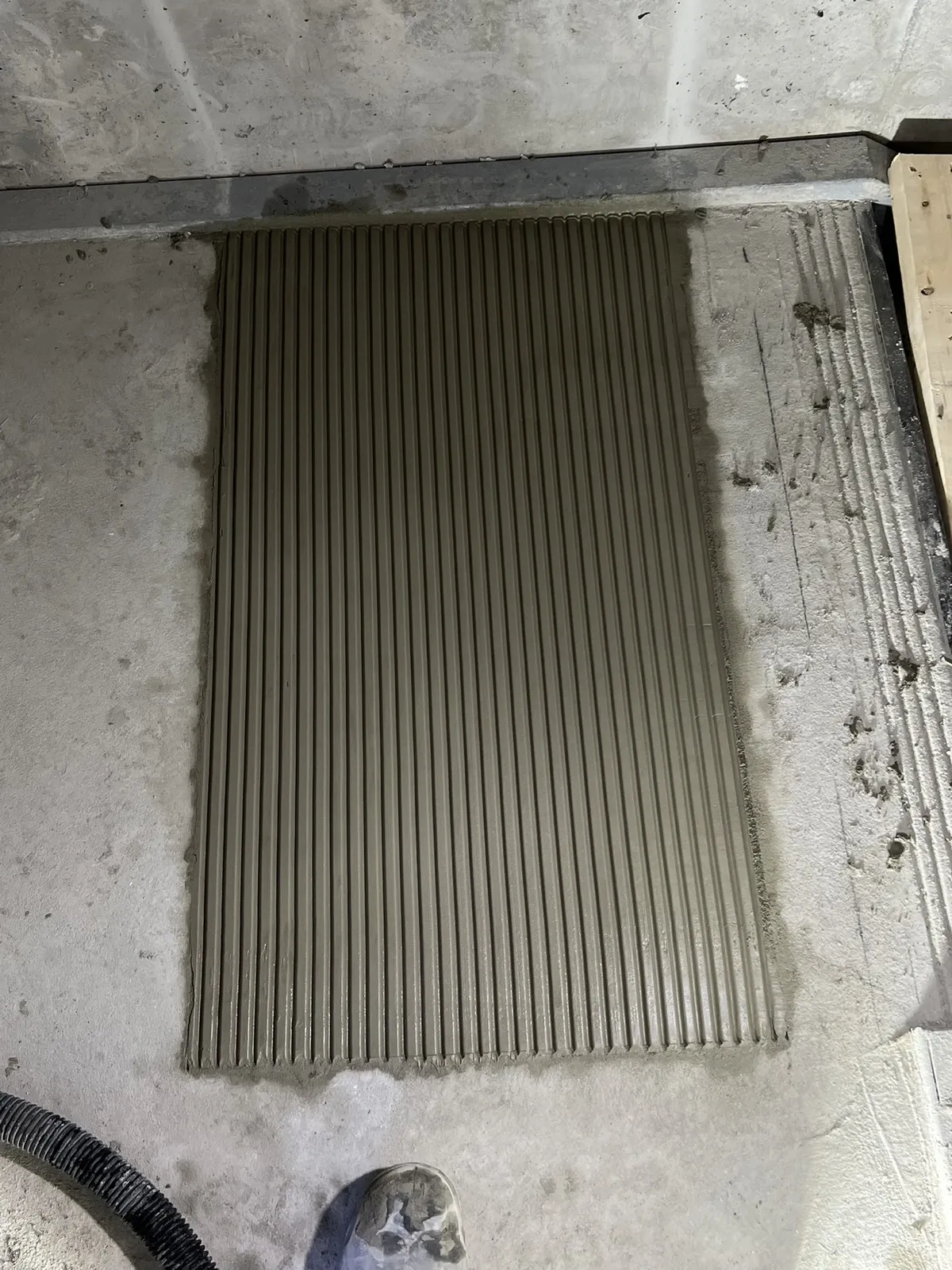
Not every crack means a new slab, and not every patch job is worth the money. Whether concrete should be repaired or replaced comes down to what caused the damage and how far it has gone. Here is how to tell which one your driveway, patio, or walkway needs, and the questions a good contractor should answer before quoting the work.
Signs concrete can be repaired
- Thin surface cracks that are not moving or widening
- Small chips, spalling, or pitting on an otherwise sound slab
- One or two sunken sections where the slab itself is still solid
- Minor settling that can be lifted back to grade
- Surface scaling or flaking limited to the top layer
- Hairline cracks that have stayed the same width for a year or more
Signs concrete should be replaced
- Wide, deep cracks that run through the full slab
- Large sections that have heaved, sunk, or broken apart
- Crumbling concrete across much of the surface
- Damage that keeps coming back after repairs because the base has failed
- A slab that has dropped at a doorway or garage, creating a trip hazard or letting water in
- Exposed or rusting rebar showing through the surface
The real question is what caused it
Most concrete failure traces back to one of three causes: water, base movement, or a structural issue. Water that collects under or beside a slab undermines the base and freezes in winter. A base that was never compacted properly keeps settling under the weight it carries. Tree roots, poor original drainage, and heavy vehicles on a slab that was not built for them are common culprits in older Vancouver driveways. Patching the surface without fixing the cause is why repairs come back, sometimes worse than before. A proper diagnosis looks under the slab, not just at it. That can mean checking drainage, probing the base, and watching how water moves across the site after rain. The Portland Cement Association has useful background on why concrete cracks and what prevents it.
When a slab is worth saving, there are a few common ways to repair it. Crack filling and sealing stops water from getting in and widening a hairline crack. Slabjacking, also called mudjacking, lifts a sunken section back to grade by pumping material underneath it. It is quick and far cheaper than a tear-out when the slab itself is still solid. Resurfacing puts a fresh wearing layer over a sound but worn slab. For a larger area, replacing only the affected section rather than the whole slab can be the practical middle ground. The right method depends on the damage, which is why a diagnosis comes before a price.
Repair or replace: the cost trade-off
A targeted repair on a sound slab is the cheaper, faster choice, and it keeps the surrounding concrete and finish you already have. Once damage is widespread or the base has failed, repairs stop being worth it, and a replacement poured on a corrected base is the better long-term value. A contractor who diagnoses the cause first will tell you honestly which side of that line you are on. As a rule of thumb, a targeted repair is a fraction of the cost of a new slab, so it is worth doing whenever the base is sound. Once you are repairing the same slab for the second or third time, those costs add up to more than a replacement that was done right, and you still do not have a new driveway. See our concrete repair and restoration page for how we approach it.
Whichever way you go, the same things prevent the next failure: keep water moving away from the slab, clear drainage, fill small cracks before winter, and reseal on schedule. Most concrete does not fail because the concrete was bad. It fails because water was allowed to sit, freeze, and work at a weak spot over the years. Stop the water and you stop most of the damage before it starts. Sealing and good drainage are cheap next to a new driveway.
If you are genuinely unsure, start with the cheaper, reversible step. Sealing a crack and improving drainage buys time and tells you a lot: if the problem stops, the slab was sound, and if it keeps moving, you have your answer that the base needs work. The one thing not to do is pour money into repeat patches that never touch the cause. A proper repair or replacement done once is almost always cheaper over five years than a patch redone every spring. It also saves the disruption of having the same stretch of driveway torn up again and again.
Common Questions
Frequently Asked Questions
Cracked driveways can often be repaired when the slab is otherwise sound and the crack is not caused by base failure. A good sign a crack is cosmetic is that it is narrow, stable, and not lined up with a sunken section. Wide, full-depth cracks across the driveway usually point to replacement, especially if the sections are moving or lifting. A crack you can fit a coin into, or one with a height difference between the two sides, is past a simple patch.
Repairs that keep failing almost always mean the root cause, usually water or a settling base, was never addressed. The patch itself is usually fine; it is the ground beneath that moved again. Fixing drainage and the base is what makes a repair hold, which is why a good repair starts below the surface, not on it.
A repair that addresses the cause can last many years, often as long as the surrounding slab. A full replacement on a corrected base effectively resets the clock to a new driveway's lifespan. A surface patch over an unresolved problem may fail within a season, and often takes more of the slab with it when it goes.